Every great dive starts with one non-negotiable foundation: safety. When you’re exploring the Red Sea near Hurghada, understanding the diving safety standards that apply underwater is what separates a stressful experience from a truly magical one. At Scuba Lovers Hurghada, safety is not just a requirement — it’s a culture that runs through every single dive, from the equipment check in the morning to the safety stop before surfacing. In this guide, we’ll walk you through what proper Red Sea diving safety looks like, what to expect from a professional dive center, and the key rules every diver should know.
Why Diving Safety Standards Matter in the Red Sea
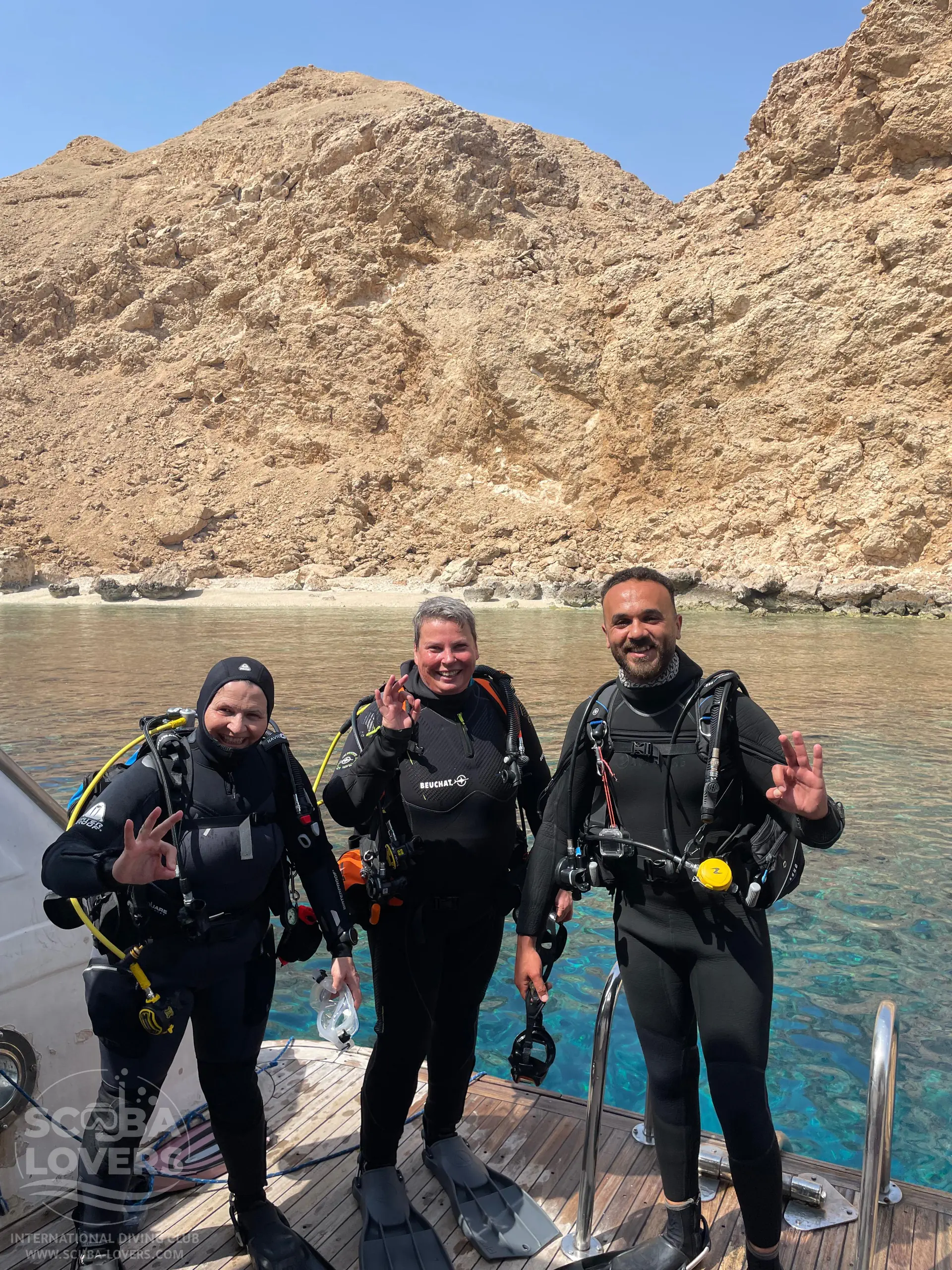
The Red Sea is one of the safest diving destinations in the world — but only when proper safety standards are followed. Visibility is excellent, conditions are generally calm, and the marine environment is well-understood. However, diving still involves real physical and environmental factors that must be managed correctly.
At Scuba Lovers Hurghada, every dive session is built around five core safety principles:
- Pre-dive equipment inspection and safety briefing
- Certified and experienced instructors in the water at all times
- Strict adherence to international diving depth and time limits
- Emergency preparedness on every boat
- Post-dive safety stops and debriefs
Therefore, when you dive with Scuba Lovers Hurghada, you’re not just diving — you’re diving the right way.
Diving Safety Standards Red Sea: Key Rules Every Diver Must Follow
1. Never Hold Your Breath
This is the most fundamental rule in scuba diving. Always breathe continuously from your regulator. Holding your breath while ascending can cause serious lung injury due to expanding air pressure. First, practice slow, steady breathing — it’s the single most important skill you’ll develop as a diver.
2. Ascend Slowly and Perform a Safety Stop
Ascending too quickly can cause decompression sickness — a serious condition caused by nitrogen bubbles forming in the bloodstream. Therefore, always ascend slowly (no faster than 9 metres per minute) and perform a 3-minute safety stop at 5 metres before surfacing. At Scuba Lovers Hurghada, instructors guide every ascent carefully.
3. Dive Within Your Certification Limits
Your certification level exists for a reason. Open Water certified divers should stay within 18 metres. Advanced divers can go to 30 metres. Going deeper than your training level exposes you to risks you’re not equipped to handle. Also, always check your air pressure regularly throughout the dive.
Learn how to progress safely through our full diving certification guide.
4. Use the Buddy System — Always
Never dive alone. The buddy system is a core principle of safe diving worldwide. Your buddy is your first line of support if something goes wrong underwater. At Scuba Lovers Hurghada, all divers are paired with instructors or certified buddies on every trip.
5. Signal Problems Immediately
If something doesn’t feel right — whether it’s equipment, discomfort, or visibility — signal your instructor immediately using the standard hand signals taught in your briefing. Don’t try to solve problems alone underwater. Your instructor is trained to handle any situation calmly.
Equipment Safety Standards at Scuba Lovers Hurghada
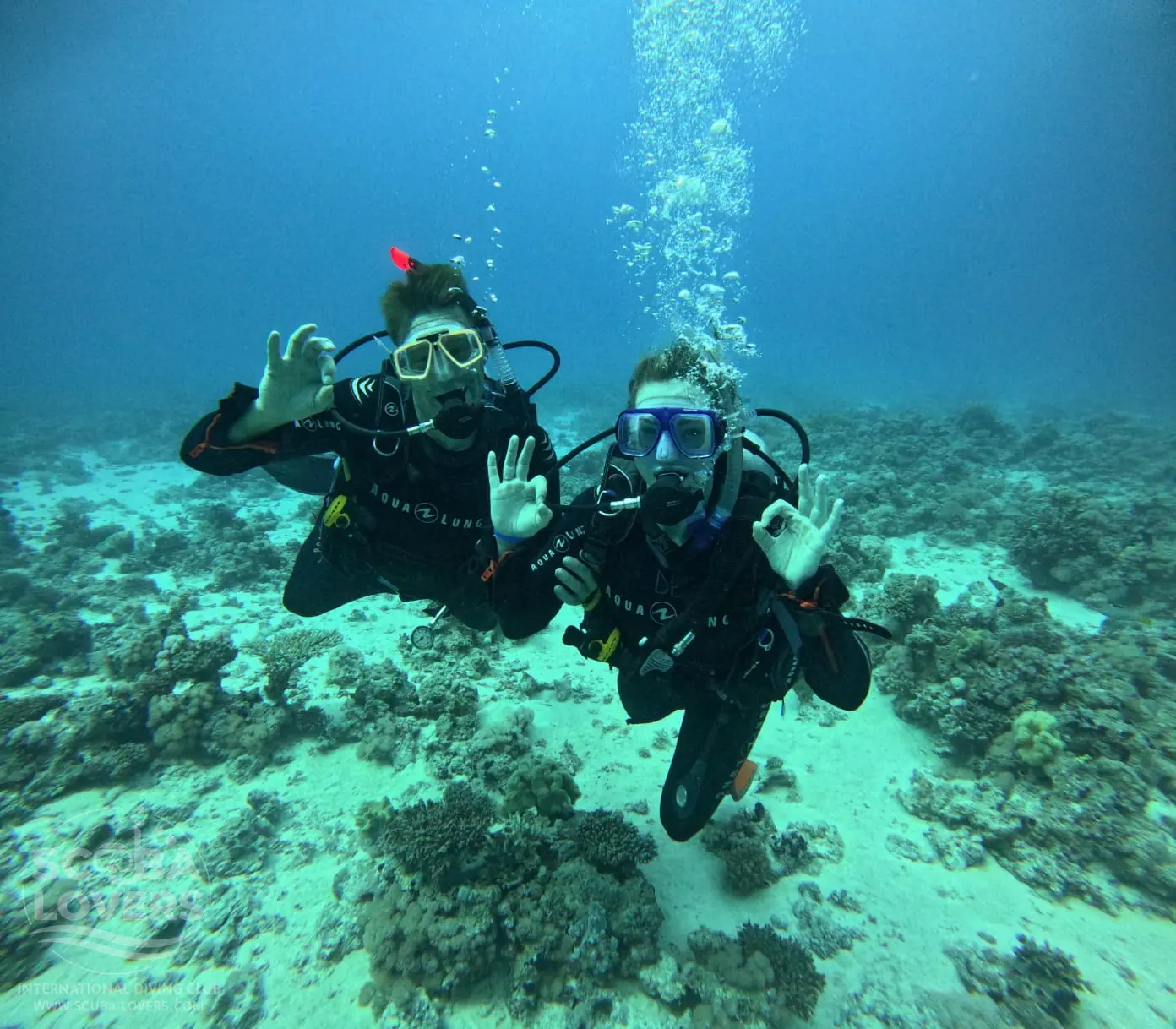
Good equipment is the backbone of safe diving. Here’s what Scuba Lovers Hurghada does to keep every piece of gear in top condition:
- All equipment is inspected and tested before every dive session
- Regulators, BCDs, and tanks are serviced on a regular maintenance schedule
- Wetsuits and masks are properly fitted to each diver before departure
- Backup equipment is always carried on the boat
- Emergency oxygen kits and first aid supplies are onboard at all times
In addition, all divers receive a personalized equipment fitting before their first dive, ensuring everything feels comfortable and works correctly from the moment they enter the water.
Emergency Preparedness on Every Trip
No matter how safe a dive environment is, preparation for emergencies is non-negotiable. At Scuba Lovers Hurghada, the team conducts regular emergency drills and maintains full rescue readiness on every boat.
This includes:
- Full first aid kits and emergency oxygen on every vessel
- Trained staff qualified in Emergency First Response (EFR) and Rescue Diver techniques
- Direct communication links to the nearest hyperbaric (recompression) chamber
- Clear emergency protocols communicated to all divers before each trip
Therefore, in the very unlikely event that something goes wrong, the response is immediate, trained, and professional.
Tips for Staying Safe During Your Red Sea Dive
Here are a few practical safety tips to carry with you on every dive:
- Stay hydrated — dehydration increases the risk of decompression sickness
- Avoid alcohol for at least 12 hours before diving
- Tell your instructor about any medical conditions or medications before diving
- Don’t dive if you have a cold or sinus congestion — pressure equalization becomes dangerous
- Log every dive — your dive log helps track nitrogen exposure over multiple days
Final Thoughts on Red Sea Diving Safety
Diving in the Red Sea is an incredible experience — and when done correctly, it’s also a very safe one. The key is choosing a diving center that takes safety as seriously as Scuba Lovers Hurghada does, and following the diving safety standards that professional organizations worldwide have established.
Ready to dive safely in the Red Sea? Contact Scuba Lovers Hurghada here to plan your trip with confidence.